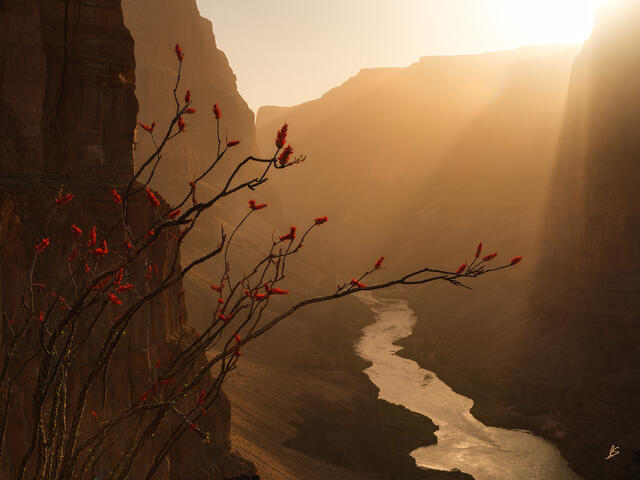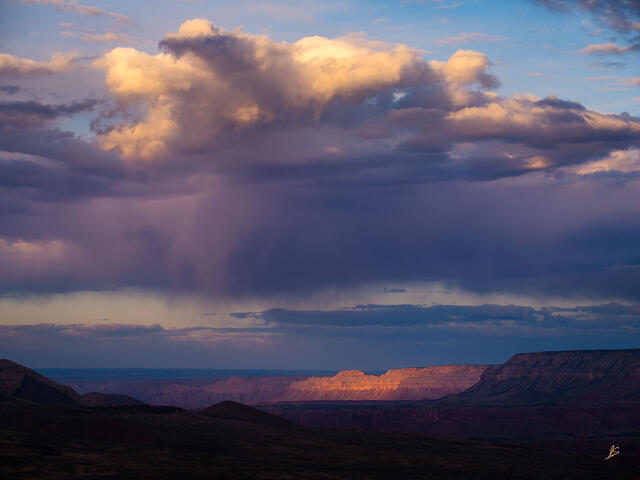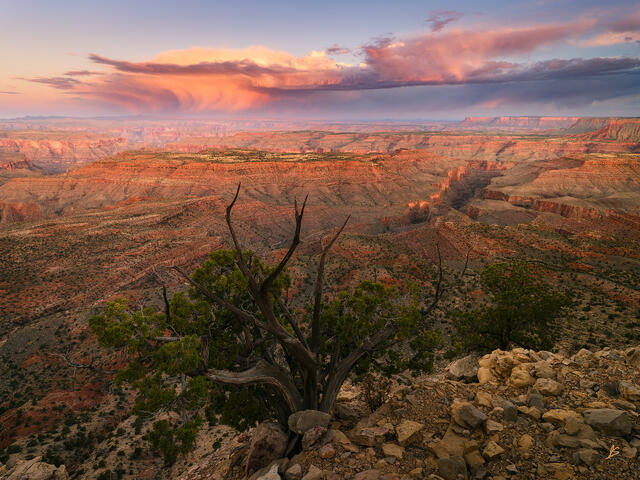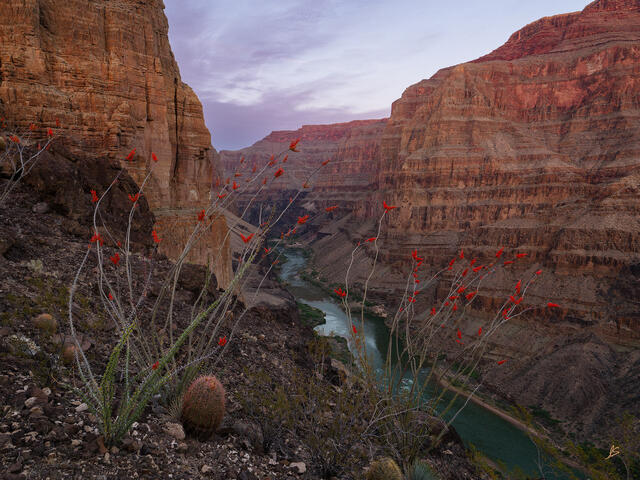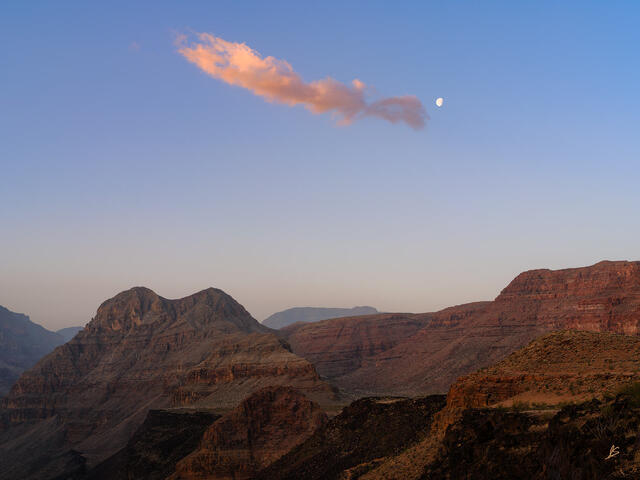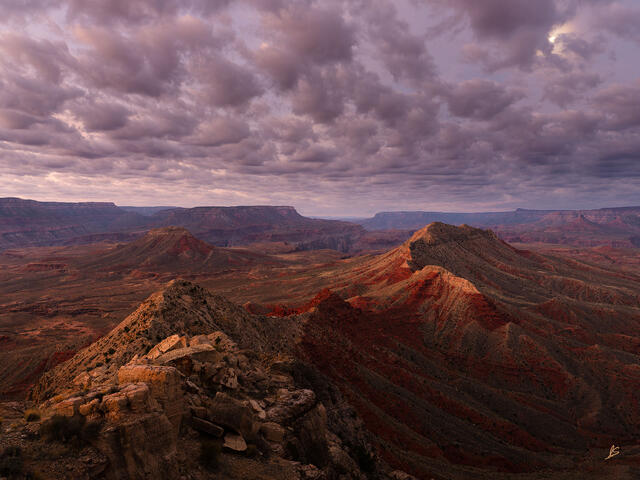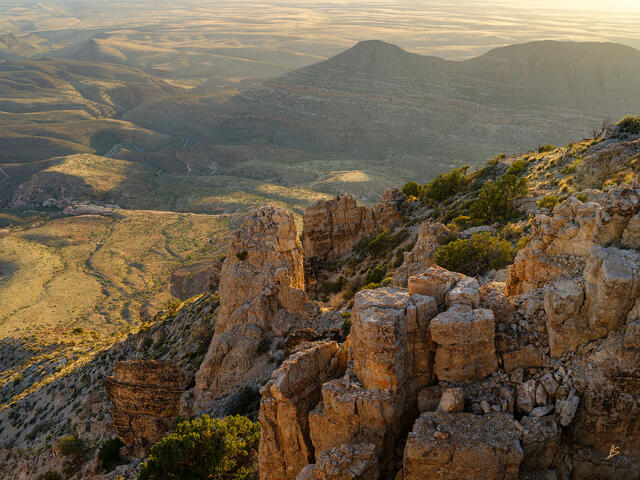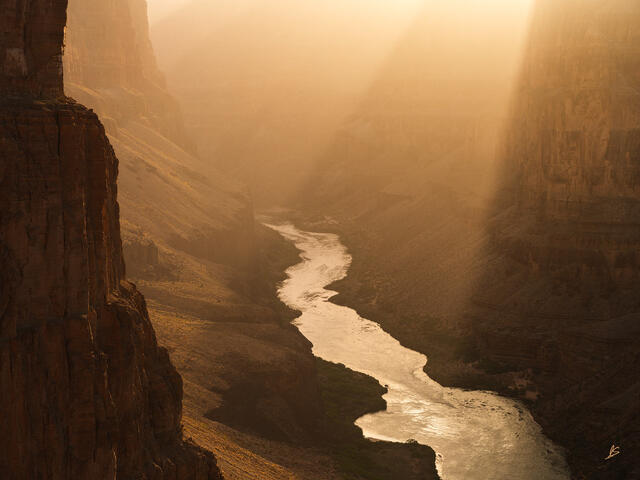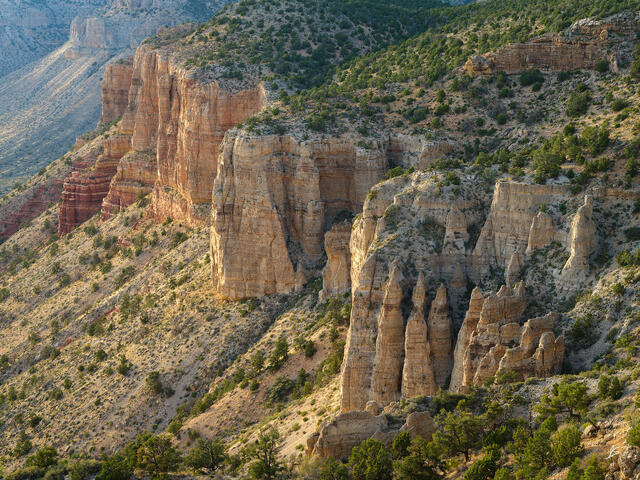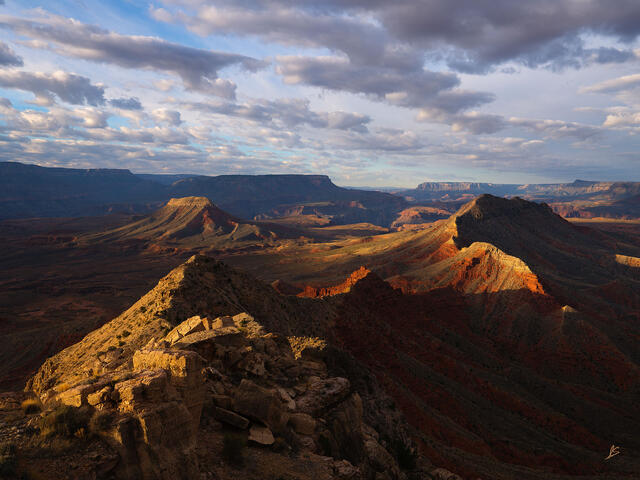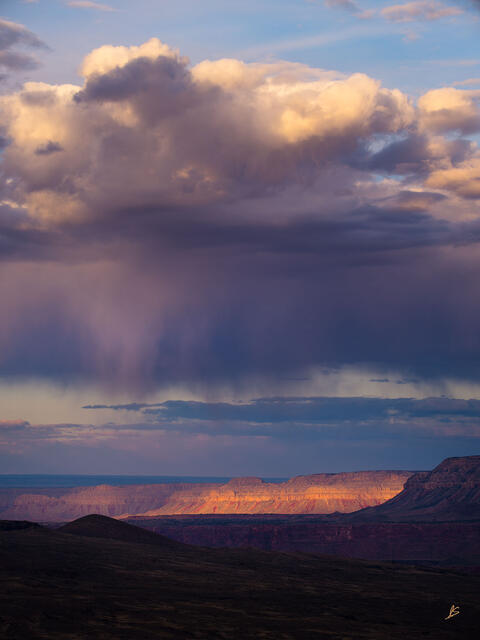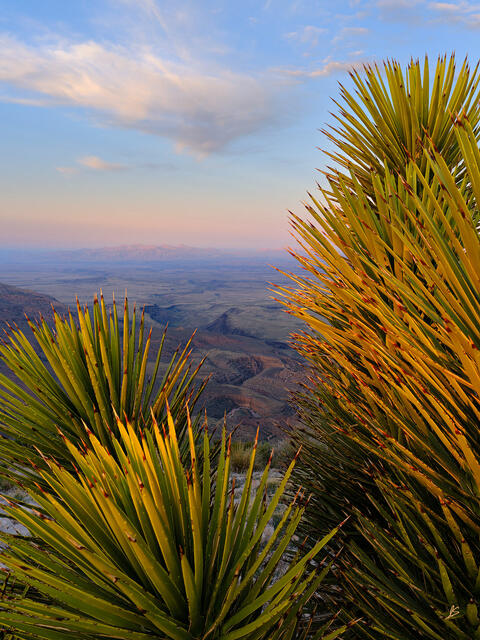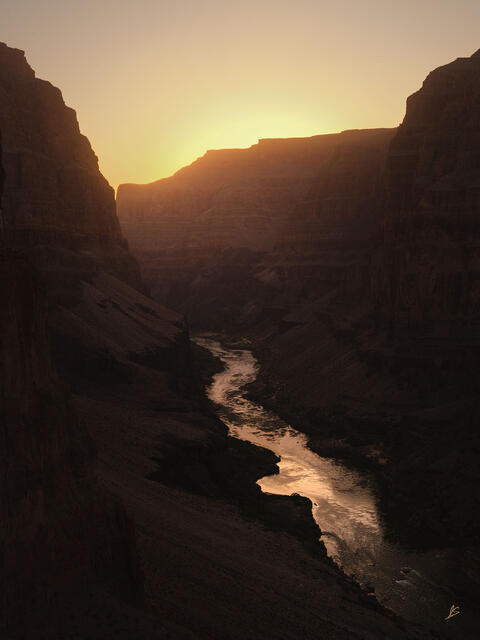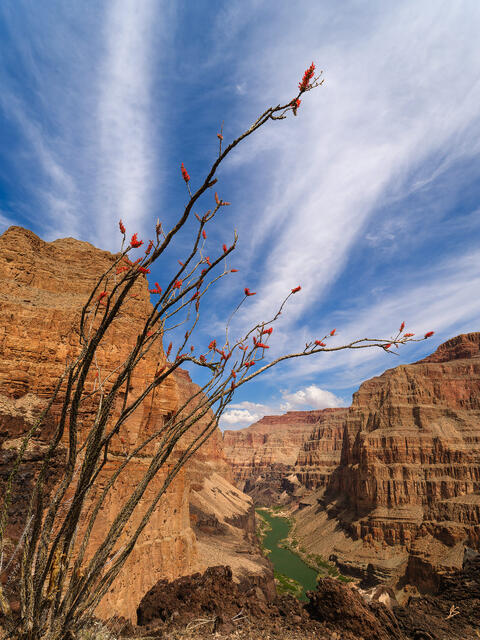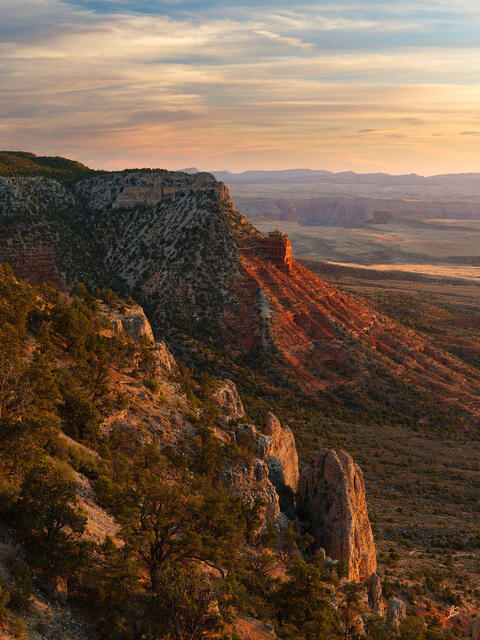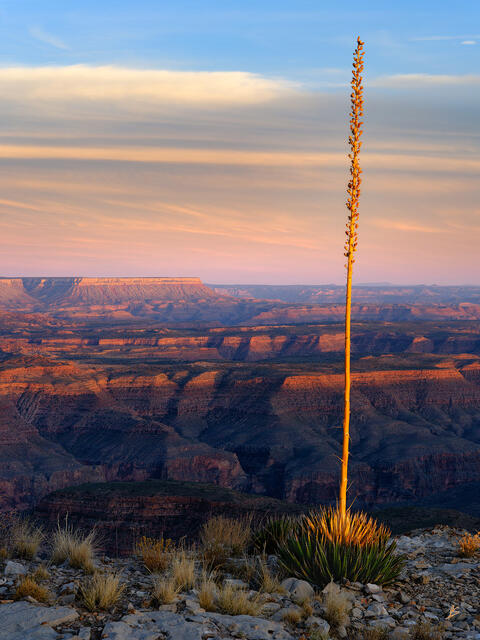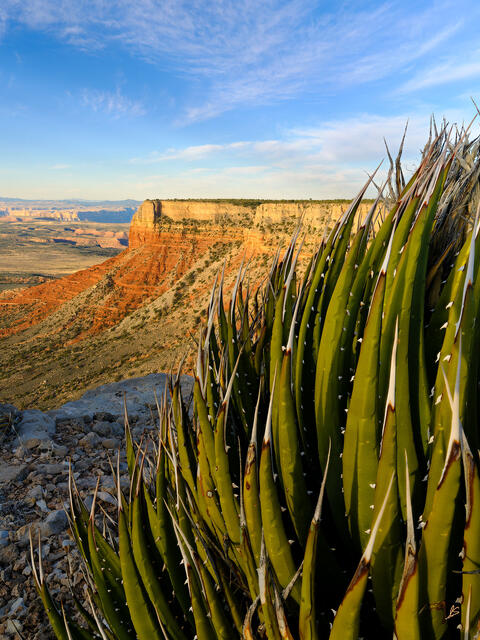
Tucked away on the remote Arizona Strip, Grand Canyon–Parashant National Monument is one of the last true wildernesses in the American Southwest. Spanning over a million acres of rugged canyon country, volcanic fields, and high desert, it lies just north of the Grand Canyon yet feels worlds apart. With no paved roads, no visitor centers, and almost no development, Parashant offers a rare kind of solitude, where silence dominates and vast horizons stretch uninterrupted.
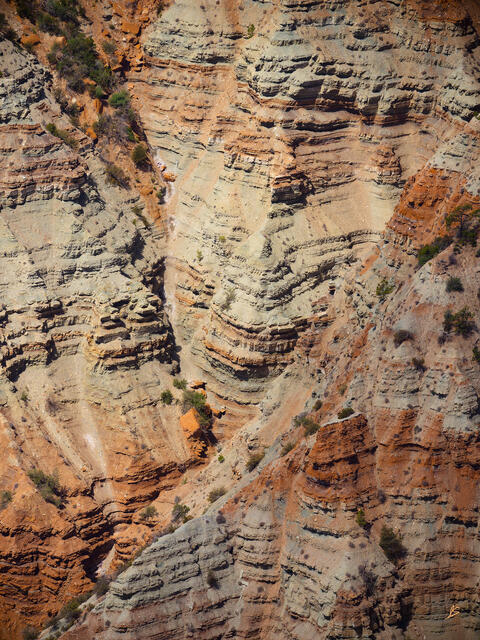
Geologically, Parashant is a time machine. Its layered rock formations reveal more than a billion years of Earth’s history, from ancient schist at the canyon’s base to younger volcanic flows scattered across the plateau. This raw and exposed geology tells the story of the land’s deep past, drawing scientists and curious travelers alike. For photographers and artists, the interplay of shadow and stone offers endless inspiration.
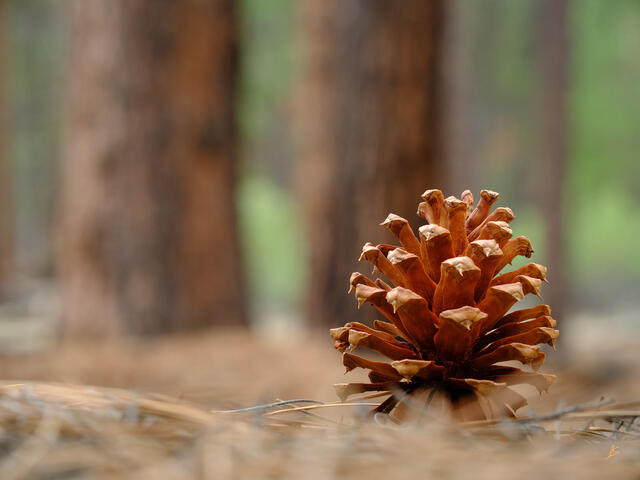
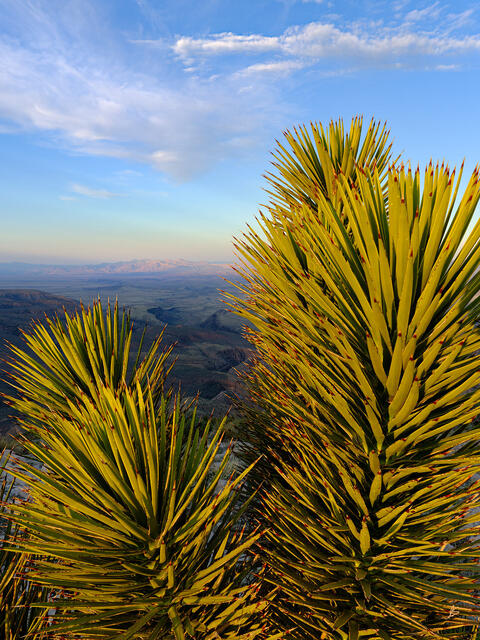
The monument is also an ecological crossroads. Elevations range from low desert to forested mountain peaks, creating diverse habitats for wildlife such as desert bighorn sheep, mule deer, and over 250 species of birds. Stands of pinyon-juniper give way to ponderosa pines on Mount Trumbull and Mount Logan, providing a quiet refuge in the high country. These isolated landscapes feel untouched—because, in many ways, they are.
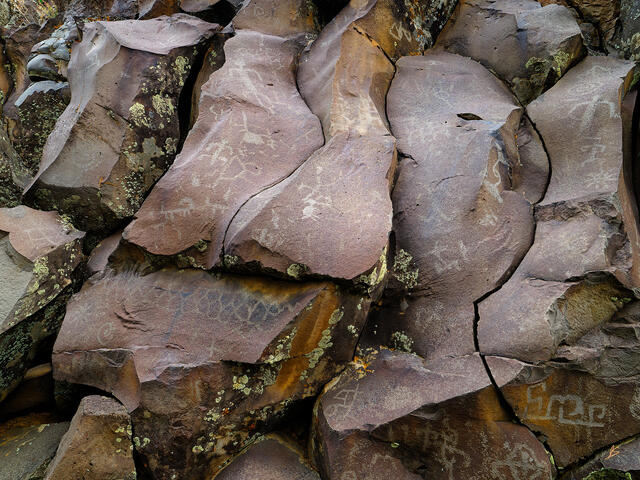
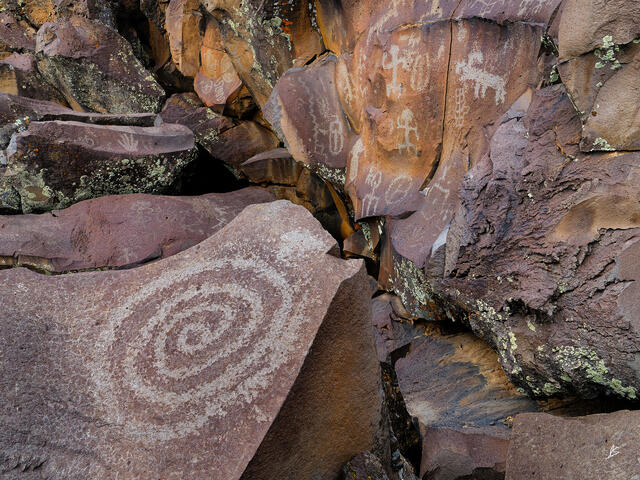
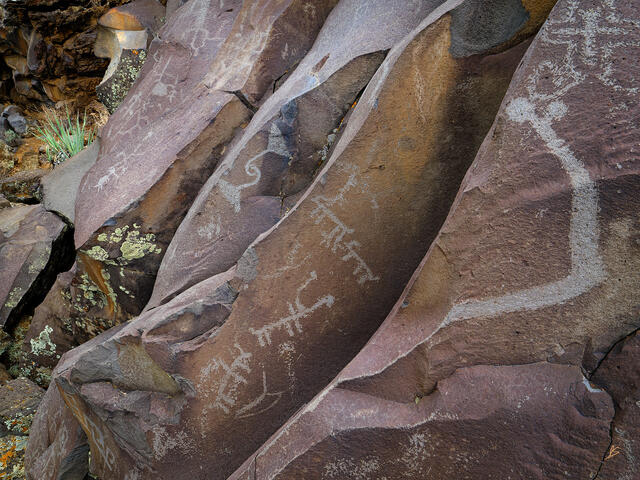
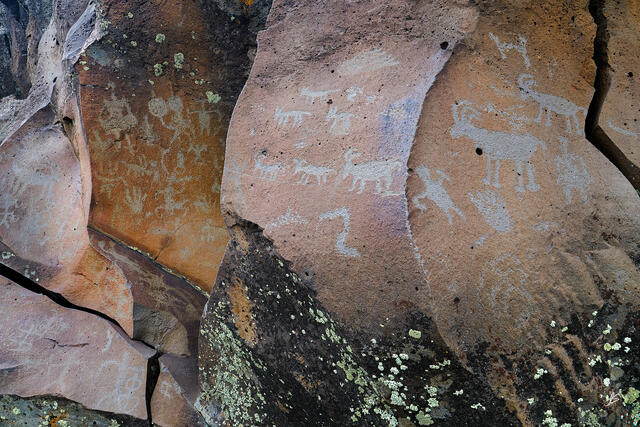
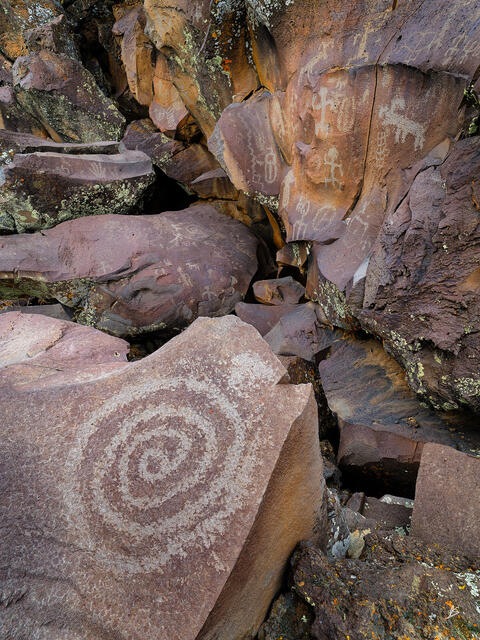
Cultural history runs deep here as well. The region holds significance for several Native American tribes, including the Hualapai, Havasupai, Kaibab Paiute, and Southern Paiute peoples, whose ancestral ties to the land stretch back generations. Scattered across the monument are ancient petroglyphs, stone tools, and the remnants of early homesteads and ranches—each telling its own part of the story.
For those prepared to venture into its rugged terrain, Grand Canyon–Parashant rewards with unmatched silence, staggering beauty, and a humbling sense of deep time.