
Planning for the Weather
The Grand Canyon region experiences a wide range of weather conditions because of its dramatic elevation changes. The landscape ranges from about 2,000 feet near the Colorado River to more than 8,000 feet along the canyon rims, creating several distinct climate zones within a relatively short distance.
In general, the canyon rims are cooler and receive winter snowfall, while the inner canyon is much hotter and drier in summer and milder in winter. Higher elevations also experience large day-to-night temperature swings. Seasonal patterns such as summer monsoon thunderstorms and winter snowstorms add further variety to the region’s weather.
Check the Forecast
It's essential to check the weather forecast about a week before you arrive for your photo tour or workshop, as the weather at the Grand Canyon can be highly variable.
These forecasts come directly from the National Weather Service and are the most accurate way to monitor conditions at the Grand Canyon.
Temperatures - What to Expect
The Grand Canyon’s dry desert air allows heat to escape quickly after sunset, often leading to large temperature swings between daytime highs and nighttime lows, especially at higher elevations. Warm afternoons can quickly give way to cool or even cold nights, so it’s important to be prepared for changing conditions throughout the day, and chilly mornings before sunrise.


Because of its higher elevation, the North Rim typically runs about 5–10°F cooler than the South Rim, even when weather conditions are otherwise similar.
My Favorite Weather Apps
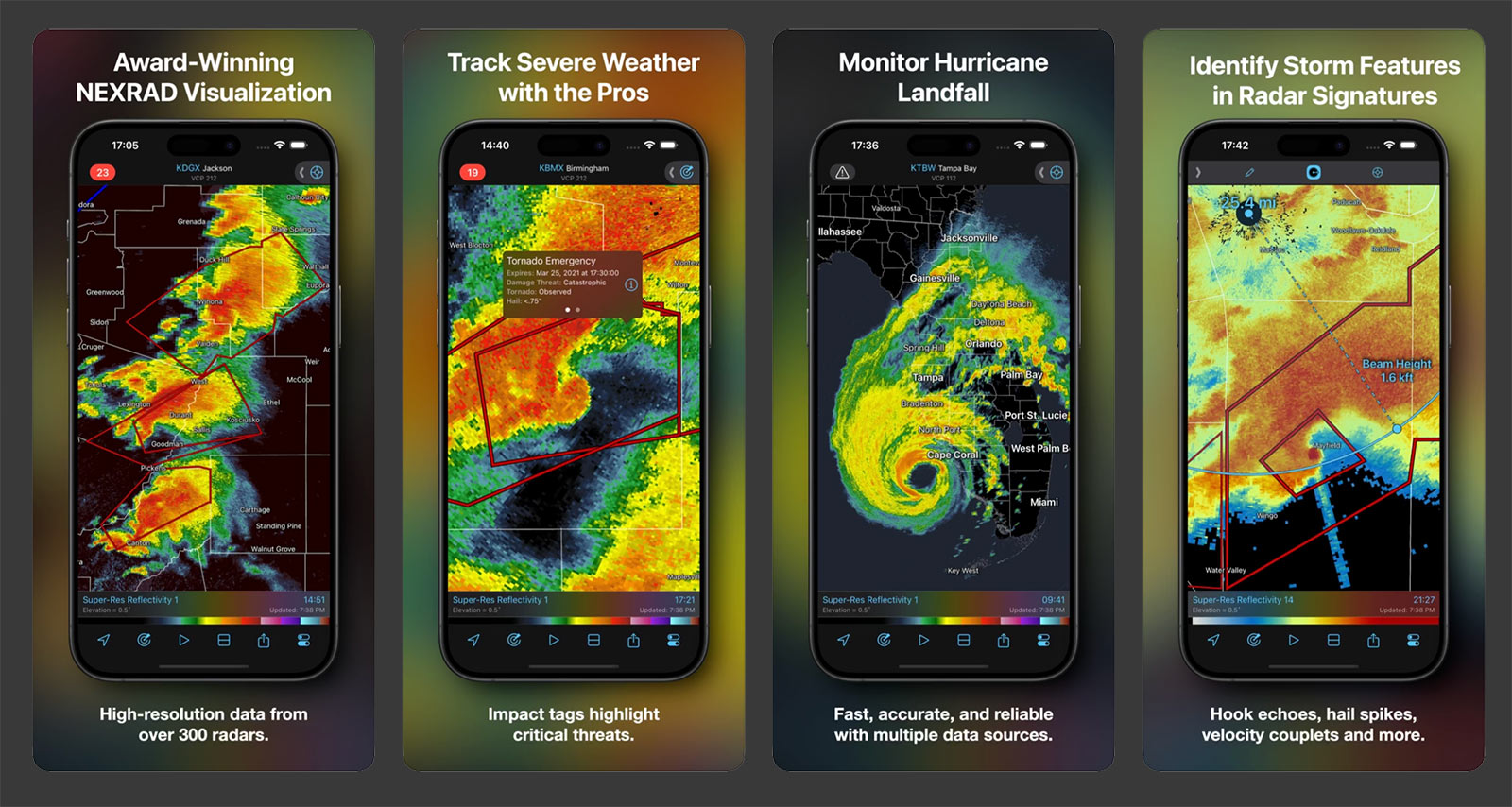
Over the years, I’ve come to rely on a few weather apps that provide more detailed and reliable information than most standard weather apps. These tools are especially useful for understanding approaching storms, lightning activity, wind, and overall weather patterns around the Grand Canyon.
You can learn the apps I use in my blog post, Weather Apps for Landscape Photographers >>
Dress in Layers
Conditions can change quickly during the day. Cool mornings, warm afternoons, wind, and passing storms are all possible—sometimes within the same day. Dressing in layers allows you to stay comfortable as conditions change. REI has a wonderful page dedicated to How to Layer Clothes >>
Sun Exposure
Sun exposure at the Grand Canyon can be severe, even on cooler days. The high elevation means there is less atmosphere to filter ultraviolet radiation, so sunburn and dehydration can occur quickly. Sunscreen, a hat, sunglasses, and plenty of water are strongly recommended.
Elevation & Your Health
Elevation is another important factor to consider when visiting the Grand Canyon. The South Rim sits at approximately 7,000–7,500 feet (2,135–2,285 m) above sea level, while the North Rim ranges from about 7,800–8,800 feet (2,285–2,680 m).
At these elevations, some visitors may notice shortness of breath, fatigue, headaches, or other mild altitude effects, particularly during the first day or two while the body adjusts. Taking it easy, staying well hydrated, and allowing time for gradual acclimation will help ensure a safe and enjoyable visit.

It can also help to moderate caffeine intake, especially early in your visit. Caffeine can contribute to dehydration and may make it harder for some people to adjust comfortably to higher elevations. Drinking plenty of water and pacing your activities during the first day or two can make a noticeable difference in how you feel.
The Summer Monsoon
The Southwest Monsoon is a seasonal weather pattern that brings increased moisture and thunderstorm activity to the desert Southwest each summer. At the Grand Canyon, the monsoon typically develops in early to mid-July and continues through August, sometimes into early September.
A typical monsoon day often begins with clear or partly cloudy skies in the morning, followed by building clouds through the afternoon as thunderstorms develop across the region. These storms can produce brief but intense rain, lightning, gusty winds, and localized downpours, though they are often scattered and short-lived.
Monsoon clouds and rainfall usually lower daytime temperatures, bringing welcome relief from the early summer heat.
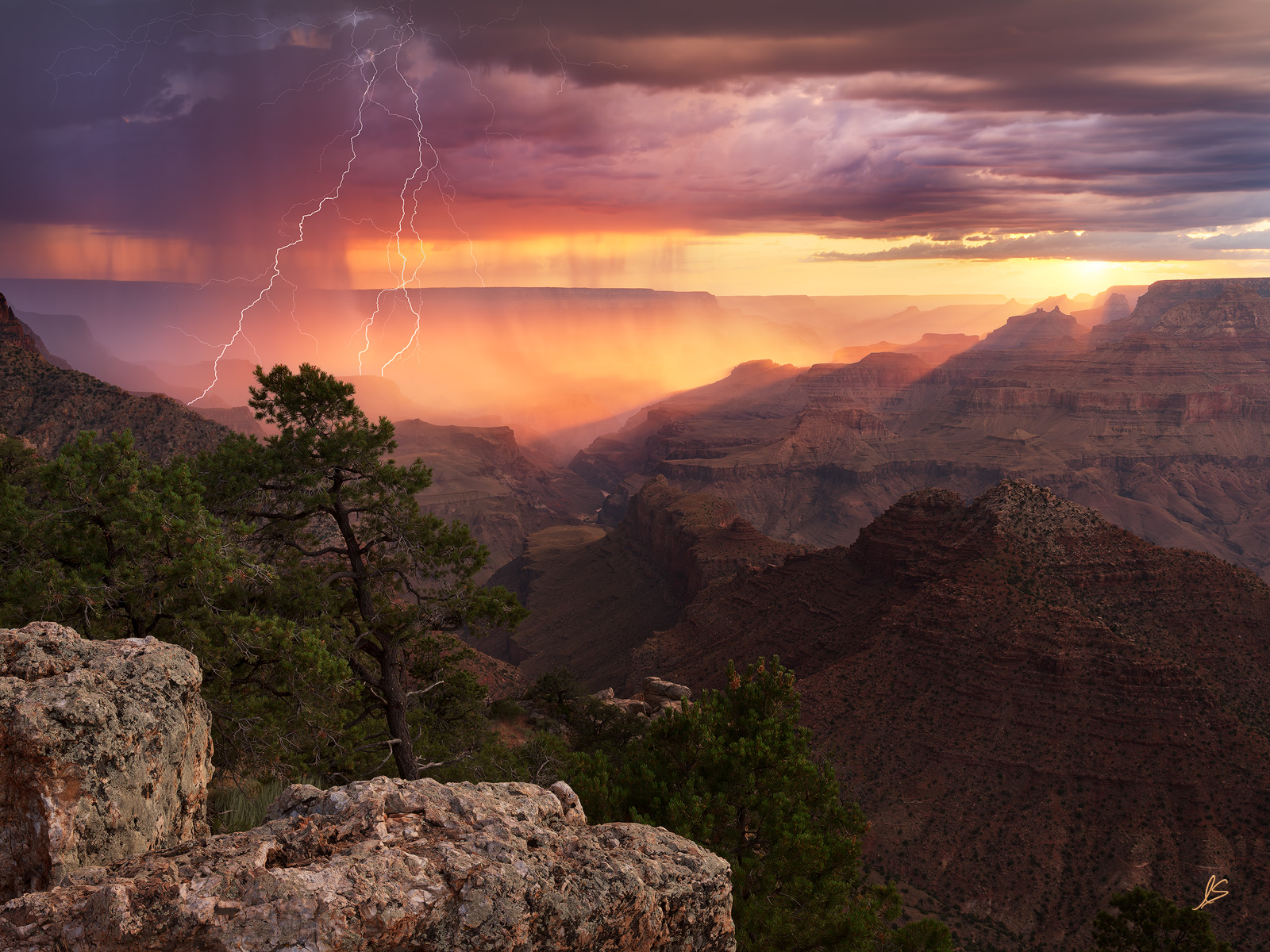
For photographers, the monsoon season can be one of the most exciting times to be at the Grand Canyon. Dramatic skies, shifting light, rain shafts, rainbows, and occasional lightning create some of the most dynamic and atmospheric conditions of the year.
Winter at the Grand Canyon
Winter can be a beautiful and surprisingly peaceful time to visit the Grand Canyon. Snow is common on the canyon rims, typically occurring from late November through February. Snowstorms can still happen in March and April, and occasionally into May, though it will melt quickly. The South Rim averages about 60 inches of snow per year, transforming the landscape with fresh white contrasts against the canyon’s red rock.
Because of heavier snowfall and road conditions, the North Rim is closed to vehicle traffic each winter from mid-October through mid-May.
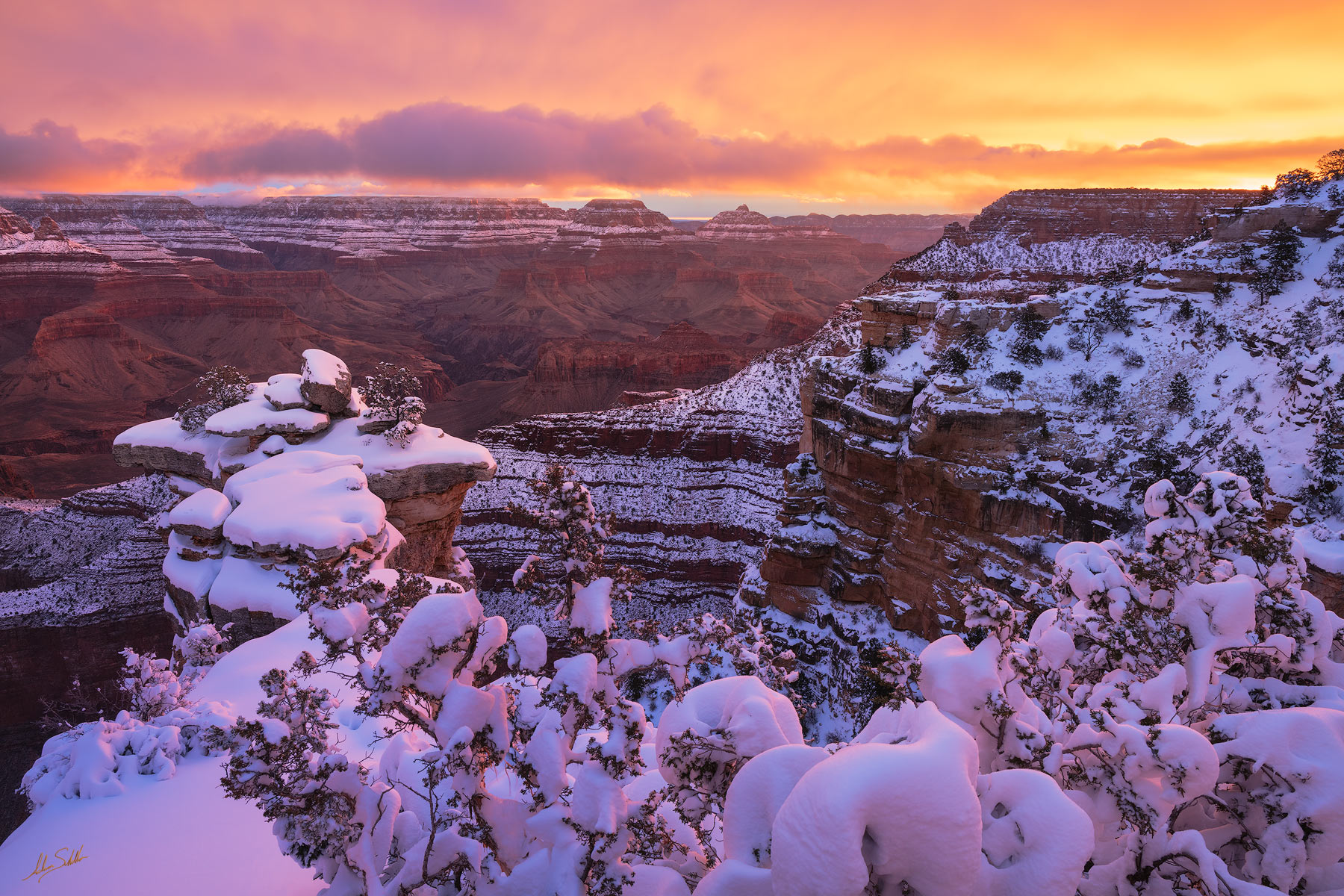
For photographers, winter offers some unique advantages. With the exception of the busy week between Christmas and New Year, visitor numbers are much lower than at other times of the year, which means quieter viewpoints and a more peaceful atmosphere. The lower angle of the winter sun also extends the Golden Hour, giving photographers more time to work with warm tones in both the morning and evening.